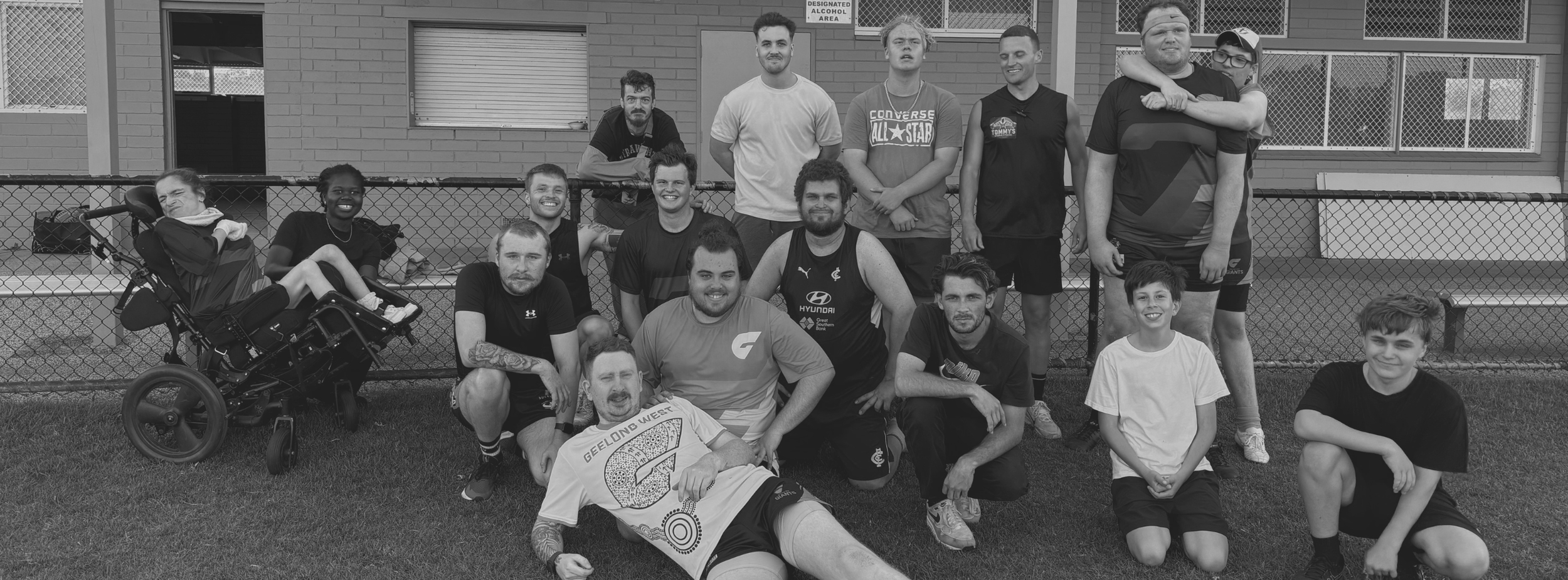
We have worked alongside so many participants! We have outlined a few & how we’ve assisted them below!
Our experience
-
Neurodiversity
Fitness and personal training can be incredibly beneficial for neurodiverse individuals, helping to improve emotional regulation, focus, and motor skills. Regular exercise also builds confidence, reduces anxiety, and provides a consistent, structured routine in a safe and supportive environment.
We recognise how important structure, routine, clear communication, and strong boundaries are for many of our clients. Our team has experience working with a diverse range of neurodivergent individuals—including those with ADHD, ASD (including non-verbal autism), learning difficulties, and low cognitive functioning.
Every session is thoughtfully tailored to each individual’s unique needs. We ensure:
• Consistent appointment times each week
• Activities aligned with their NDIS goals
• Sessions paced to match their comfort and energy levels
• A communication style that works best for them
• A focus on what they enjoy and want to achieve
Our approach is centred on building trust, fostering self-confidence, and creating a positive experience with movement.
-
Down Syndrome
Fitness and personal training provide a wide range of benefits for individuals with Down syndrome, including improved muscle tone, balance, coordination, and cardiovascular health. Regular exercise also supports cognitive function, emotional wellbeing, and the development of social skills—while helping to build independence, confidence, and a strong sense of personal achievement.
At our sessions, we always prioritise the individual—their goals, interests, and abilities. For example, one of our clients loves boxing, so we always begin their session with boxing-based activities before transitioning into postural and endurance-focused cardio exercises. We’re mindful of safety at all times, including working within a comfortable range of motion, especially where hypermobility may be present.
We also understand that communication is a key area for development and often part of NDIS goals. That’s why we maintain ongoing, supportive communication throughout every session—ensuring our environment is not only safe and structured, but also engaging and encouraging.
-
Physical Disabilities
Fitness and personal training for individuals with physical disabilities can significantly improve strength, mobility, flexibility, and endurance. It supports functional independence and reduces the risk of secondary health conditions, while also promoting mental wellbeing, boosting confidence, and empowering individuals through tailored, adaptive programs that focus on ability—not limitation—in an inclusive and motivating environment.
For example, individuals with cerebral palsy can benefit from improved strength, coordination, mobility, and posture. Personalised training can help ease muscle tightness, enhance daily function, support cardiovascular health, and contribute to overall mental and emotional wellbeing.
Another powerful example is arthrogryposis—a condition one of our clients lives with. Since beginning her training journey with us, she has reduced her weight by over 25kg and, more importantly, regained a sense of independence and daily function. Through adaptive compound movements and targeted accessory exercises, we’ve built up her general and stabilising strength. As a result, she’s now walking further than she has in over seven years and recently travelled independently across Europe—an incredible milestone made possible by her improved fitness and confidence.
-
Acquired Brain Injury
Fitness and personal training for individuals with an acquired brain injury (ABI) can assist in rebuilding strength, balance, coordination, and cognitive function, supporting recovery and everyday independence. Exercise also helps reduce anxiety, improve mood, and promote neuroplasticity in a safe, structured, and supportive environment.
One of our clients came to us at risk of further health complications due to significant weight gain and a high risk of falls caused by poor balance. Through a personalised program focused on unilateral and balance-based movements, we’ve helped him regain confidence in his stability and physical ability. This has led to greater independence and the ability to perform daily tasks that were previously unsafe or unmanageable.
Additionally, he has experienced improved mental health, reporting that exercise has had a direct and positive impact on his emotional wellbeing. Ongoing weight loss has further reduced his risk of obesity-related health issues and contributed to a noticeable boost in his overall life satisfaction and self-confidence.
-
Not listed Disabilities
We acknowledge that there are many types of disabilities not mentioned above, and we sincerely apologise if you don’t feel seen or represented.
Please know that we are committed to supporting your health and wellbeing through movement—regardless of your disability.
All our sessions are individually tailored, and we can adapt every aspect of your training to suit your unique needs, abilities, and goals in a safe, respectful, and empowering environment.